Tiny Letter: The Handwritten Font for Charming Design
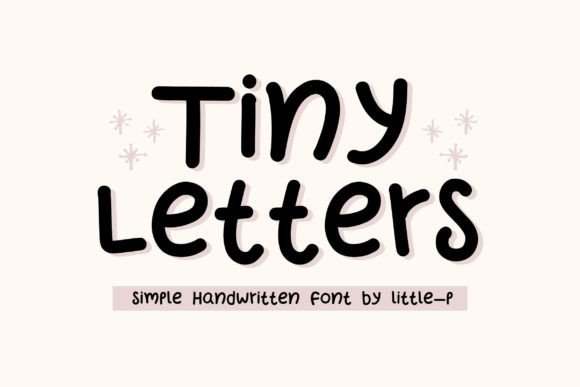
In a digital landscape saturated with sleek, impersonal typefaces, a touch of handwritten warmth can make your work stand out immediately. Introducing "Tiny Letter," a simple handwritten font that masterfully blends a cute, compact design with approachable friendliness. This isn't just another script font; it's a versatile creative asset designed to inject personality and charm into a wide array of projects, from digital planners and sublimation graphics to endearing wall art and invitations.
Understanding Its Role in Modern Graphic Design
Effective visual communication hinges on connecting with your audience on an emotional level. While bold sans-serifs and elegant serifs have their place, a typeface like Tiny Letter excels in creating that immediate, human connection. Its petite letterforms and casual flow are perfect for projects aiming for a lighthearted, personal, or playful aesthetic. This font becomes a key component in your design workflow, helping you quickly establish a specific tone—whether it's for a small business branding refresh or a series of engaging social media graphics.
Practical Applications Across Creative Projects
The true value of a font lies in its application. Tiny Letter's adaptable nature makes it a powerful tool for numerous design scenarios:
- Branding and Logo Design: Ideal for boutique brands, lifestyle blogs, or children's products, it adds a bespoke, handcrafted feel to logos and brand marks.
- Marketing Materials: Enhance flyers, brochures, and email headers with a friendly tone that feels more personal than corporate.
- Social Media Content: Create eye-catching quotes, story text, and Instagram graphics that feel authentic and encourage engagement.
- Website and UI Design: Use it sparingly for call-to-action buttons, testimonials, or decorative elements to soften a digital interface and improve user experience.
- Packaging and Editorial Design: Add charm to product labels, thank-you cards, or magazine callouts, contributing to a cohesive and memorable brand identity.
Tips for Selecting and Using Decorative Fonts
Integrating a distinctive font like Tiny Letter requires thoughtful application to maintain professionalism and readability. Consider these factors during your design process:
- Prioritize Readability: Always test the font at the intended size. Its charm is lost if the text becomes illegible. It's best suited for headlines, short phrases, or accent text rather than large blocks of body copy.
- Maintain Visual Hierarchy: Pair it with a clean, neutral font (like a simple sans-serif) for main content. This contrast ensures clarity while allowing Tiny Letter to shine in its supporting role.
- Align with Audience Expectations: Ensure the font's playful character matches your brand's voice and your audience's preferences. It's perfect for a children's apparel brand but might be less suitable for a corporate law firm's annual report.
- Test Across Platforms: Check how the font renders on different screens and in print. This is crucial for projects spanning web design, UI design, and print design to ensure a consistent professional presentation.
Ultimately, the strength of your design lies in the harmony of all its elements—typography, color palette, composition, and imagery. Choosing a creative asset like Tiny Letter is a deliberate decision to infuse your work with a specific personality. By applying it thoughtfully and consistently, you can elevate your projects, making them not only more visually appealing but also more emotionally resonant and effectively communicative.