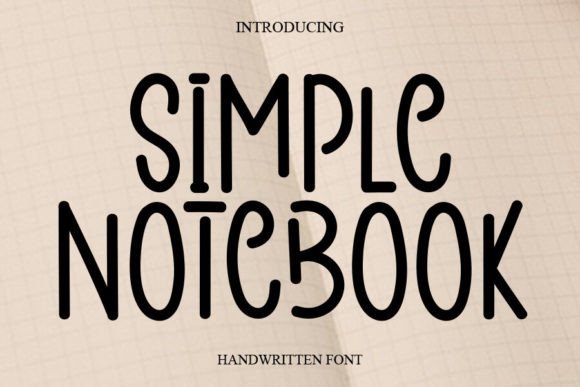
Simple Notebook: A Handwritten Font for Authentic Design
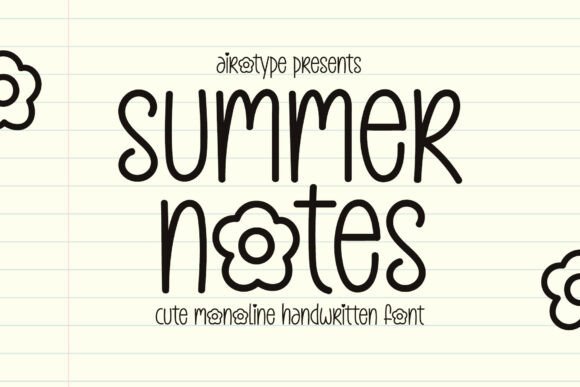
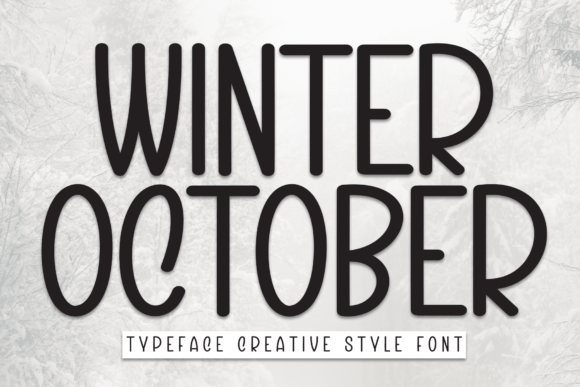
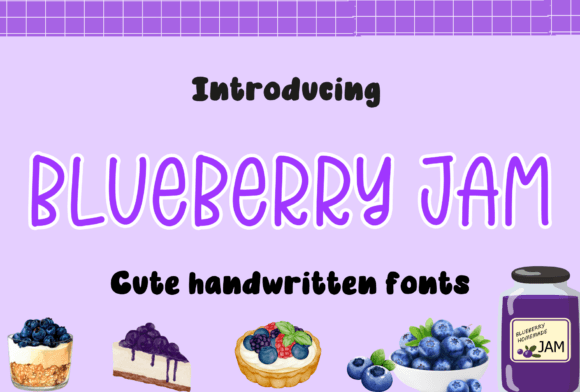
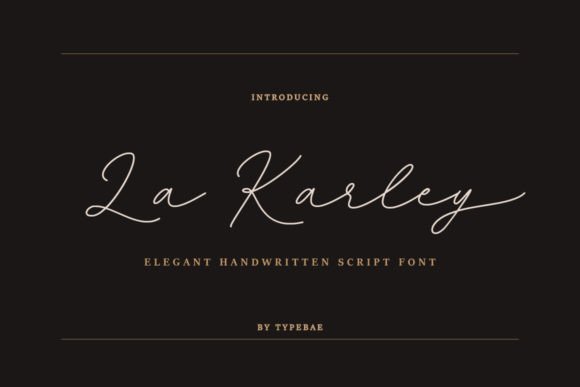
Imagine infusing every project with the warmth of a personal note, the charm of a sketch, and the authenticity of human touch. That's the power a carefully chosen typeface can wield. Among the vast library of creative assets, Simple Notebook stands out as a fun and friendly handwritten font, offering designers, marketers, and creators a versatile tool to break free from sterile digital aesthetics. Whether you’re crafting a logo, designing social media graphics, or building a brand identity, this font has the potential to become your favorite go-to, no matter the occasion.
Why Handwritten Fonts Matter in Modern Graphic Design
In an era dominated by clean sans-serifs and geometric logos, handwritten typefaces like Simple Notebook serve as a powerful counterpoint. They introduce visual hierarchy and emotional resonance by mimicking the imperfections and fluidity of human writing. This approach is crucial for brands aiming to foster genuine connections. In graphic design, typography isn't just about readability; it's about personality. A font that looks like it was scribbled in a journal or on a napkin instantly feels approachable, making it ideal for businesses that want to appear less corporate and more relatable.
Practical Applications for Visual Communication
The true value of a font lies in its usability across different mediums. Simple Notebook adapts surprisingly well to a variety of design workflows, enhancing both digital and print projects. Its casual yet legible structure makes it a standout choice for:
- Branding and Logo Design: Perfect for boutique shops, cafes, lifestyle blogs, and artisanal products that need an organic, handmade feel in their visual identity.
- Social Media Graphics: Ideal for quotes, announcements, and stories where grabbing attention quickly with a personal touch is essential for engagement.
- Editorial and Packaging Design: Adds a layer of texture to book covers, magazine headers, or product packaging, suggesting care and craftsmanship.
- Presentations and Merchandise: Breaks the monotony of standard slide decks and looks fantastic on printed materials like tote bags, mugs, and greeting cards.
Integrating Typography with Your Design Workflow
When incorporating a font like Simple Notebook into your projects, consider how it interacts with other visual elements. To maintain a polished, professional presentation, balance its playful nature with a neutral companion font—such as a simple sans-serif—for body text. This ensures your visual hierarchy remains clear while the handwritten font handles the creative heavy lifting in headlines or call-to-action buttons.
Furthermore, pay attention to your color palette. Handwritten fonts often pair best with soft, natural tones or bold, singular colors that mimic ink or marker. For UI design or web design, use this typeface sparingly to highlight specific elements without compromising the user experience (UX) or readability across different screen sizes.
Elevating Your Creative Projects
Choosing the right creative assets is about more than just aesthetics; it's about effective visual communication. A resource like Simple Notebook allows you to inject personality into your work without sacrificing clarity. It bridges the gap between digital precision and analog warmth, making it a valuable addition to any designer's toolkit.
Ultimately, thoughtful design choices lead to stronger storytelling. By selecting typography that aligns with your brand’s voice and your audience's expectations, you transform standard content into memorable experiences. Whether you are revamping a website or launching a new marketing campaign, the right font ensures your message isn't just seen, but felt.