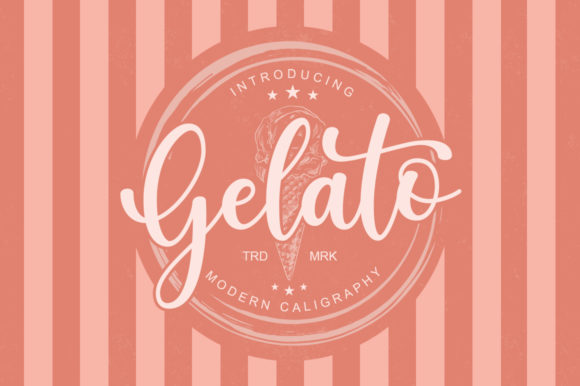
Gelato: The Flowing Handwritten Font for Timeless Design
Imagine a font that captures the fluid elegance of a handwritten note, yet carries the weight and clarity of professional typography. Gelato, a flowing handwritten font, offers precisely this blend of charm and sophistication. Its distinct, timeless style is not just a decorative element; it's a powerful tool for designers seeking to inject personality, warmth, and a human touch into their creative projects. By falling in love with its incredibly elegant touch, you unlock new possibilities for creating spectacular designs that resonate deeply with audiences.
The Role of Handwritten Fonts in Modern Graphic Design
In an era dominated by digital precision, handwritten fonts like Gelato serve a vital purpose in visual communication. They break through the cold, uniform aesthetic of standard typefaces, offering a sense of authenticity, approachability, and emotion. This makes them exceptionally valuable for strengthening brand identity. A brand that uses a script font strategically can convey creativity, luxury, friendliness, or artisanal quality, depending on its execution. Gelato's flowing nature, for instance, lends itself to brands that value elegance, personal connection, and a modern yet timeless aesthetic.
Practical Applications: Where Gelato Truly Shines
The versatility of a high-quality script font allows it to enhance a wide array of design contexts. Gelato's elegant touch makes it suitable for more than just casual notes; it can elevate professional work across multiple mediums.
- Branding and Logo Design: Use Gelato for logotypes or submarks to create an immediate sense of personality and distinction. It's perfect for lifestyle brands, boutique agencies, wedding services, or any business aiming for a personal, premium feel.
- Marketing Materials: From brochure headlines to email campaign banners, Gelato can draw attention and add a creative flourish that makes your message more memorable.
- Social Media Content: In the fast-scrolling world of social platforms, distinctive typography stops the eye. Use Gelato for quotes, announcements, or overlay text on graphics to create visually engaging content that stands out.
- Website and UI Design: Apply it judiciously for hero text, pull quotes, or specific headings to guide user attention and soften the digital interface, improving the overall user experience (UX).
- Editorial Layouts & Packaging Design: In magazines, book covers, or product packaging, Gelato can serve as a striking headline font that communicates style and sets the mood, influencing the entire visual hierarchy of the piece.
Tips for Effective Typography Selection and Use
Choosing a font like Gelato is just the first step. To maximize its impact within your design workflow, consider these practical factors:
- Prioritize Readability: While stylistic, ensure Gelato remains legible at the intended size and in its context. Test it against your chosen color palette and background. Avoid using it for long blocks of body text.
- Maintain Visual Hierarchy: Pair Gelato with a clean, neutral sans-serif or serif font for supporting text. This contrast creates balance, directs the viewer's eye, and maintains professional presentation standards.
- Consider Your Audience: Does the elegant, handwritten style align with your audience's expectations? It's ideal for creative industries, consumer brands, and projects targeting a design-savvy or emotionally engaged demographic.
- Ensure Scalability: Test how the font renders at different sizes, from a small website header to a large print advertisement. A well-designed script will maintain its beauty and clarity across scales.
Thoughtful design is about making intentional choices that serve both form and function. Integrating a creative asset like Gelato into your toolkit allows you to craft more nuanced, engaging, and effective visual stories. Whether you're building a brand identity, designing digital marketing assets, or creating stunning print materials, the right typography is a cornerstone of quality that elevates your work from ordinary to extraordinary. It’s not just about how things look, but how they make your audience feel and understand your message.