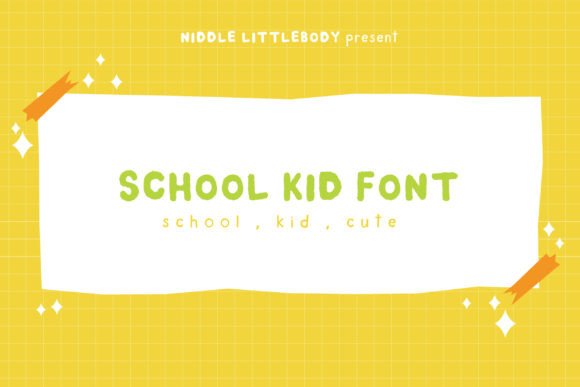
Authentic Handwriting: The School Kid Font
Imagine a design that feels instantly personal, as if a message was just written by hand on a chalkboard. This is the powerful connection the School Kid font brings to modern graphic design. More than just a typeface, it's a creative asset that injects authenticity, nostalgia, and a human touch into digital and print projects, making it a versatile tool for designers and creators seeking to break through the digital noise.
The Role of Authentic Typography in Visual Communication
In an era of polished digital interfaces, a handwritten font like School Kid serves as a strategic counterpoint. Its value lies in its ability to create immediate visual hierarchy and emotional resonance. When used thoughtfully, it directs the viewer's eye not just to the words, but to the feeling behind them. This authenticity strengthens brand identity by making a company appear more approachable, relatable, and human—a crucial factor in building trust and improving user engagement across various creative projects.
Practical Applications for the School Kid Font
The true power of a design asset is realized in its application. School Kid excels in scenarios where a personal, realistic feel is desired. Its simple, legible script makes it incredibly usable across a wide range of media.
- Branding & Logo Design: Perfect for brands in the education sector, children's products, artisanal goods, or any business wanting a friendly, approachable identity.
- Marketing & Social Media Graphics: Creates standout quotes, testimonials, and call-to-action phrases in ads, Instagram stories, and Facebook posts that feel genuine and engaging.
- Editorial & Packaging Design: Adds a personal touch to book covers, magazine pull quotes, or product labels, enhancing the narrative and shelf appeal.
- Digital Products & UI Design: Can be used sparingly in UI elements like buttons or tooltips for apps focused on education, creativity, or parenting to create a welcoming user experience.
- Presentations & Merchandise: Transforms standard slides and physical merchandise (like mugs or t-shirts) into memorable items with a handcrafted aesthetic.
Integrating Fonts into a Cohesive Design Workflow
Selecting a font like School Kid is just the first step. Effective integration into your broader design system is key. Always consider readability and scalability—ensure it remains clear at both large headline sizes and smaller body text. Its playful nature means it pairs best with clean, neutral sans-serif or serif fonts to maintain visual hierarchy and professionalism. Consider your color palette; School Kid often shines against textured backgrounds or with chalk-like effects, but it must also function on solid colors for versatility.
When evaluating any creative asset, ask: Does it align with the target audience's expectations? Does it serve the core design goal? For School Kid, the goal is clear communication with a personal twist. It should complement, not clash with, your existing brand systems. Use it for key messages or accents, not for lengthy paragraphs, to maximize its impact without sacrificing readability.
Ultimately, the thoughtful selection and application of typography are what separate good design from great design. A resource like the School Kid font is more than a stylistic choice; it's a tool for visual storytelling. By prioritizing assets that offer both aesthetic appeal and functional versatility, designers and creators can elevate their work, foster deeper connections with their audience, and ensure their visual communication is not only seen but felt. Quality creative assets are the building blocks of a professional and impactful design workflow.