Tropical Banana: Injecting Vibrant Energy into Modern Design
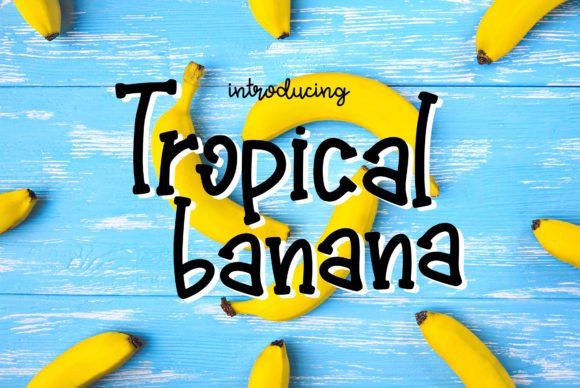
In the crowded landscape of digital and print media, standing out requires more than just a good idea—it demands a visual punch that captures attention instantly. Enter Tropical Banana, a bold and quirky handwritten font that infuses any project with a lively, island-inspired energy. This typeface is not merely a collection of letters; it is a design asset that acts as a visual voice, immediately conveying playfulness, warmth, and approachability. For graphic designers and brand strategists looking to break away from rigid, corporate aesthetics, this font offers a necessary breath of fresh air.
The Power of Personality in Typography
Typography is the backbone of visual design, guiding the viewer's eye and establishing the emotional tone of the content. While sans-serifs and serifs have their place, the demand for human-centric, authentic design has brought handwritten styles back into the spotlight. Tropical Banana fits perfectly into this trend, offering exaggerated letterforms that mimic the imperfections and flow of hand-lettering. This style is crucial for creating an emotional connection with the audience, as it feels more personal and less manufactured than standard digital fonts.
In modern branding, the goal is often to humanize the company. A font like this helps strip away corporate stiffness, making a brand feel accessible and friendly. Whether you are designing for a startup, a lifestyle blog, or a local café, the right typeface can transform a passive viewer into an engaged participant.
Practical Applications for Creative Professionals
The versatility of a bold handwritten font extends across various mediums. Its ability to maintain readability while exuding character makes it a valuable tool in a designer's arsenal. Here are some of the most effective ways to utilize this style in your design workflow:
- Logo Design and Brand Identity: Use it to create a distinctive wordmark that feels approachable. It is particularly effective for brands targeting younger demographics or those in the lifestyle and wellness sectors.
- Social Media Graphics: In the fast-scrolling world of Instagram and TikTok, bold typography stops the thumb. Tropical Banana works exceptionally well for overlay text on Reels, quote cards, and promotional banners where high impact is required.
- Packaging Design: For products that want to signal natural ingredients, fun flavors, or artisanal quality, this font adds tactile appeal to the physical shelf presence.
- Editorial and Web Design: Break the monotony of long-form reading by using this typeface for pull quotes, subheadings, or hero sections. It adds a layer of visual hierarchy that guides the reader through the page.
Integrating Bold Typography into a Professional Workflow
While a playful font adds flair, professional application requires strategy. To ensure your design remains polished rather than chaotic, consider the following design principles:
- Balance and Contrast: A bold, quirky font should be paired with a clean, neutral typeface (like a simple sans-serif) for body text. This contrast ensures readability while allowing the headline font to shine.
- Color Palette Integration: Typography does not exist in a vacuum. Choose colors that complement the energy of the font. Bright, saturated hues often work well, but they must align with the overall brand identity.
- Scalability: Always test your font at various sizes. A display font should remain legible on both a billboard and a mobile screen.
Ultimately, the tools you choose define the quality of your output. Incorporating high-quality creative assets like Tropical Banana into your toolkit allows you to respond to client briefs with agility and creativity. It empowers you to build designs that are not only aesthetically pleasing but also functionally effective in communicating the intended message.
By making thoughtful typography choices, you elevate the entire user experience. A font that carries personality helps bridge the gap between the brand and the consumer, ensuring that the message is not just seen, but felt. In a world of digital noise, that connection is the ultimate design goal.