The Art of Branding with Handwritten Charm
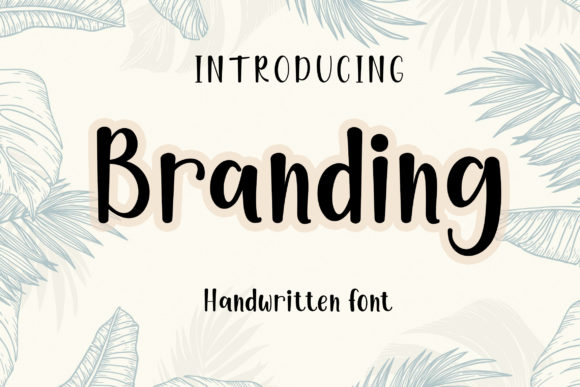
Every designer knows the power of a single typeface to transform a project from ordinary to extraordinary. In a landscape saturated with clean sans-serifs and formal serifs, a handwritten font like Branding offers an immediate injection of personality and warmth. This sweet and friendly typeface captures the essence of authentic human connection, making it an invaluable creative asset for projects that demand a personal touch. Its natural, flowing style breaks through digital sterility, inviting viewers into a more intimate visual conversation.
Understanding the Role of Typography in Visual Design
Typography is the voice of your design. Choosing the right font is not merely an aesthetic decision; it is a fundamental aspect of visual communication and brand identity. Branding exemplifies how a typeface can set a specific tone. Its unique character helps establish a clear visual hierarchy, guiding the viewer's eye while conveying a message of approachability and creativity. This makes it a perfect solution for designers, marketers, and business owners looking to differentiate their work with a modern, yet timeless, aesthetic.
Practical Applications for Creative Projects
The versatility of a handwritten font like Branding is its greatest strength. Its adaptable nature allows it to enhance a wide array of creative projects, ensuring your design goals are met with both style and substance. Consider its impact across these common design scenarios:
- Logo Design & Brand Identity: Create a memorable logo that feels bespoke and human. Use it for brand names, taglines, or monograms to build an identity that resonates warmth and authenticity.
- Digital Marketing & Social Media Graphics: Capture attention in crowded feeds. Branding is perfect for Instagram stories, quote graphics, promotional banners, and email headers, boosting user engagement through its friendly appeal.
- Packaging & Editorial Design: Elevate product packaging with artisanal flair. It also adds a personal narrative touch to magazine layouts, book covers, and blog post graphics, enhancing the reader's experience.
- Web & UI Design: While best used for accents, it can highlight calls-to-action, pull quotes, or special announcements on a website, improving UX design by adding emotional cues and visual interest.
Integrating a Handwritten Font into Your Design Workflow
Successfully incorporating a font like Branding requires thoughtful application. To maintain readability and professional presentation, use it for headlines, short phrases, or accent text rather than long body copy. Pair it with a simple, clean sans-serif or serif font to create a balanced and legible composition. Always consider your audience and the project's context—a playful children's brand has different needs than a boutique café's menu. Testing the font in various sizes and across different mediums, from print design to digital screens, ensures it performs well and maintains its visual impact.
Ultimately, the tools you choose define the quality of your output. A thoughtfully selected typeface is more than a decorative element; it is a critical component of effective design. By integrating versatile and character-rich assets like the Branding font into your toolkit, you empower yourself to create work that is not only visually compelling but also communicates with clarity and emotional resonance, elevating every creative project you undertake.