Spiderkid: Capturing Motion in Handwritten Typography
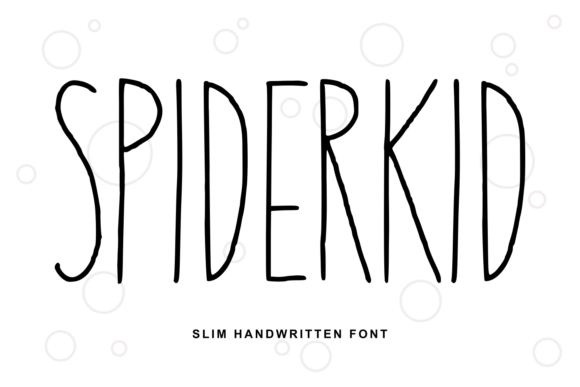
In the fast-paced world of visual design, capturing authentic energy can be a challenge. Spiderkid is a slim handwritten typeface that solves this by embodying the restless energy of quick sketches and spontaneous ideas. Its narrow letterforms stretch upward with a light, agile rhythm, giving every word a sense of motion and personality that static fonts often lack. This makes it an invaluable creative asset for designers seeking to inject a human touch into digital projects.
The Anatomy of Dynamic Expression
The strokes of Spiderkid feel natural and slightly imperfect—like ink flowing from a fast-moving pen. This creates an authentic handwritten charm without sacrificing the clarity needed for professional communication. Designed with a modern edge, it balances playfulness and precision. Its tall proportions make it especially effective for headlines, branding, social media graphics, and packaging where space is tight but impact matters. Each character is carefully crafted to feel expressive yet consistent, ensuring smooth readability across both short and extended text.
Practical Applications for Modern Designers
Understanding where and how to deploy a typeface like Spiderkid is key to leveraging its full potential. Its unique characteristics make it versatile across numerous creative projects. Consider integrating it into your design workflow for:
- Brand Identity and Logo Design: Use Spiderkid to create logos for brands that want to appear approachable, energetic, or artisanal. It’s perfect for startups, creative agencies, or lifestyle brands.
- Social Media Graphics and Digital Marketing: Its high-motion style captures attention in crowded feeds, ideal for quotes, call-to-action overlays, and story highlights.
- Packaging and Editorial Design: The font’s narrow form maximizes space on product labels or magazine layouts, adding a personal, curated feel to visual storytelling.
- Web and UI Design: When used sparingly for buttons, section headers, or accent text, it can guide user engagement and enhance the overall user experience (UX).
Integrating Typography into Your Visual Hierarchy
Effective typography is about more than just selecting a beautiful font; it’s about creating a clear visual hierarchy. Spiderkid excels as a display typeface, meant to draw the eye. Pair it with a clean, neutral sans-serif or serif body font to ensure readability. This contrast allows Spiderkid to handle the creative heavy lifting for headlines and key messages while the supporting typeface manages dense information.
When building a color palette, consider how ink-like textures interact with hues. Spiderkid often looks best in deep blacks, rich navys, or vibrant accent colors that mimic traditional pen ink. This attention to detail elevates a design from good to professional, reinforcing a polished and cohesive brand presentation.
Evaluating Creative Assets for Long-Term Value
Choosing the right creative assets involves evaluating more than just aesthetics. For typography, consider scalability—how will the font render on a billboard versus a mobile screen? Spiderkid’s clear construction ensures it remains legible across various sizes. Also, assess its compatibility with your existing design systems. A versatile asset should integrate seamlessly, supporting your design goals without requiring a complete overhaul of your current style.
Thoughtful design choices are the foundation of effective visual communication. By selecting quality creative assets that offer both personality and functionality, you ensure that your projects not only look stunning but also connect meaningfully with your audience, enhancing both aesthetics and clarity in every application.