Monte Carlo: Elevating Design with Elegant Script
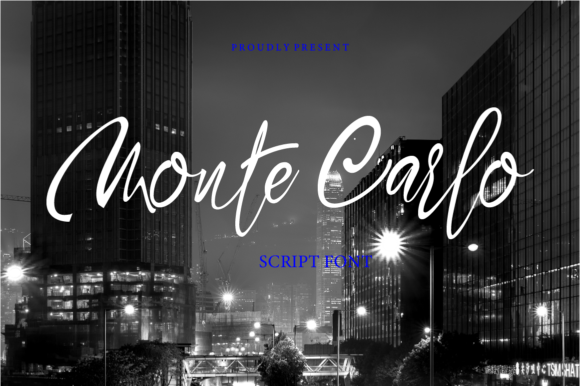
Every designer knows the power of a font that can instantly set a tone, evoke an emotion, and tell a story without a single word of copy. Monte Carlo is precisely that kind of typeface. This elegant, handwritten script font offers a sophisticated flourish that can transform a standard design into a memorable piece of visual communication, making it a versatile asset in any creative toolkit.
The Role of Script Typography in Modern Branding
In a digital landscape saturated with clean sans-serifs and rigid geometric fonts, a well-chosen script like Monte Carlo introduces a human touch. It bridges the gap between formal professionalism and personal warmth, making it invaluable for creating authentic brand identity. When used thoughtfully, it enhances visual hierarchy, guiding the viewer’s eye to key messages and creating a focal point that feels both premium and approachable.
Its application extends far beyond simple aesthetics. Effective typography is a cornerstone of user experience (UX) and user interface (UI) design, where font choice impacts readability, mood, and overall usability. Monte Carlo excels in contexts where a personal, crafted feel is desired over sterile precision.
Practical Applications Across Creative Projects
The true value of a design asset is measured by its versatility. Monte Carlo’s graceful letterforms and flowing connections make it suitable for a wide array of projects, enhancing both digital and print design outcomes.
Strengthening Visual Communication
- Branding & Logo Design: Ideal for boutique brands, lifestyle products, and creative services. It can be used for logotypes, monograms, or secondary brand marks to convey elegance and craftsmanship.
- Marketing & Social Media: Creates eye-catching headlines for Instagram graphics, Facebook ads, and Pinterest pins. It adds personality to email headers and promotional banners, boosting engagement.
- Web & UI Design: Best used for hero section headlines, call-to-action phrases, or decorative elements rather than body copy. It pairs beautifully with clean sans-serif fonts for a balanced, modern aesthetic.
- Packaging & Print Design: Adds a luxurious, tactile quality to product labels, wedding invitations, greeting cards, and editorial layouts. It excels in contexts where a handwritten feel suggests authenticity.
Enhancing Creative Assets
- Presentations: Use it for title slides or section headers to add a touch of sophistication to corporate or creative pitches.
- Merchandise: Applies beautifully to apparel, mugs, and stationery where a personal, artisanal touch is desired.
- Digital Products: Perfect for e-book covers, online course graphics, and lead magnet templates that require a premium, curated look.
Integrating Monte Carlo into Your Design Workflow
Selecting a font is just the first step; integrating it effectively is what separates good design from great. Consider these practical tips for using script fonts like Monte Carlo to their full potential:
Pairing with Purpose: Script fonts demand contrast. Pair Monte Carlo with a simple, geometric sans-serif for body text to ensure readability. This contrast creates a clear visual hierarchy, allowing the script to shine as an accent without overwhelming the composition.
Context is Key: Always evaluate your audience and platform. While perfect for a wedding invitation or a boutique website, it may not be suitable for a technical manual or a dense UI dashboard. Scalability and legibility at small sizes should be tested, especially for digital applications.
Mindful Color & Composition: The elegance of a script is amplified by its surroundings. Use a restrained color palette and ample white space to let the typography breathe. Avoid cluttering the design with competing elements; let the font be a statement piece within a cohesive visual system.
In the realm of graphic design, the assets you choose are direct reflections of your creative standards. A high-quality, versatile font like Monte Carlo does more than decorate a page—it communicates values, sets expectations, and builds a deeper connection with the viewer. By making thoughtful, informed decisions about such creative resources, designers and brands can consistently produce work that is not only visually stunning but also strategically effective.