Dream Font: A Serene Touch for Modern Design
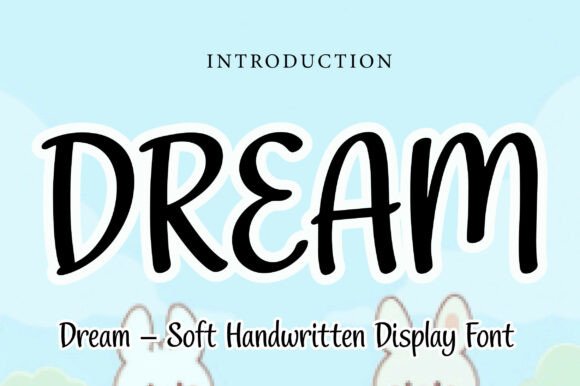
In the crowded landscape of digital and print design, finding a typeface that conveys both warmth and sophistication is like discovering a hidden gem. Dream, a soft handwritten display font, emerges as a solution that embodies the tranquility of a gentle lullaby, offering designers a tool to infuse projects with an elegant, personal touch. Its smoothly rendered curves and natural flow create a serene atmosphere, making it a versatile asset for a wide array of creative ventures.
At its core, Dream is meticulously crafted to balance artisanal charm with modern readability. The clean, handwritten style avoids the pitfalls of overly casual scripts, maintaining balanced proportions within each letterform. This ensures that while the font adds a rich, personal note, it remains clear and accessible—crucial for effective visual communication across different mediums.
Practical Applications Across Creative Projects
The true value of a typeface like Dream lies in its adaptability. Its chic and soothing character makes it suitable for numerous applications, enhancing both aesthetics and user engagement.
- Branding and Logo Design: For brands aiming to project an image of approachability, calm, and contemporary elegance, Dream can become a cornerstone of the visual identity. It works beautifully for logos, business cards, and brand guidelines that seek a soft, human touch.
- Social Media Content: In the fast-paced world of digital marketing, stopping the scroll is key. This font adds a blissful resonance to social media graphics, quotes, and promotional posts, helping content stand out with a personalized, authentic feel.
- Packaging and Editorial Design: From attractive product packaging to greeting cards and magazine layouts, Dream introduces an organic beauty. It elevates unboxing experiences and editorial spreads, creating a memorable and tactile impression even in digital previews.
- Web and UI Design: Used strategically for headlines, call-to-action buttons, or featured quotes, it can soften a website's interface, contributing to a positive user experience (UX) and guiding the visual hierarchy with its gentle presence.
Integrating Typography into Your Design Workflow
Choosing a font is a strategic decision that impacts the entire design workflow. When evaluating creative assets like Dream, consider its compatibility with your existing brand system, color palette, and overall design goals. Its light, contemporary style pairs well with clean sans-serifs for body text, ensuring readability while maintaining visual interest.
For a polished and professional result, remember that typography does not work in isolation. It interacts with imagery, composition, and spacing. Use Dream to create focal points and establish a mood, but ensure sufficient contrast and white space to let the design breathe. Always test fonts at various scales to verify scalability and legibility across print and digital applications.
Ultimately, thoughtful design choices are what transform good projects into great ones. Incorporating high-quality, purpose-driven creative assets like a well-designed font allows you to communicate more effectively, strengthen brand identity, and connect with your audience on a more human level. It’s these nuanced decisions that contribute to a coherent and compelling visual narrative.